
Hello dear readers 👋
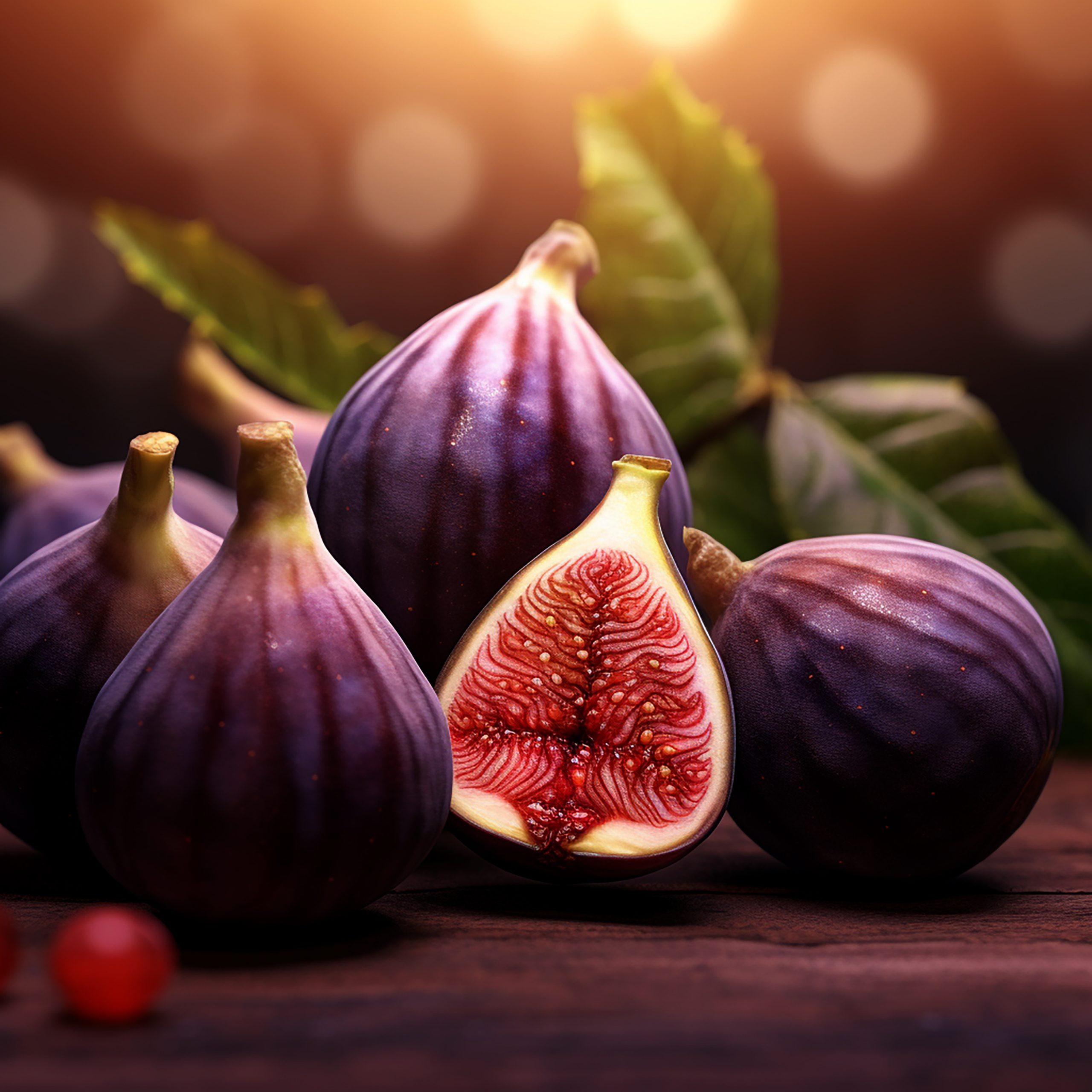
In the world of dietary supplements, the miracles that come from nature always hold a special place. The enzyme ficin, hidden within figs, is one of these miracles. With its natural essence and scientifically proven effects, it has become a shining star in today’s health research.
What is Ficin?
Ficin is an enzyme from the cysteine protease group found in the milky sap of the fig tree. Simply put, it breaks down proteins into smaller parts.
Thanks to this property:
✅ It supports digestion.
✅ It is used in food technology for tenderizing meat and in cheese production.
✅ It helps determine blood groups in laboratories.
But that’s not all!
New research also reveals the antibacterial and anticancer potential of ficin!
New Research: Antibacterial and Anticancer Properties 🧬
Scientific studies have shown that ficin can break down biofilms formed by bacteria. It can be particularly effective against harmful bacteria such as Staphylococcus aureus and Streptococcus mutans.
In this way:
✅ It may enhance the effectiveness of antibiotics.
✅ It can play a protective role in oral and dental health.
✅ It may support wound healing.

In laboratory studies, ficin has been observed to suppress the growth of certain tumor cells. Although its mechanism has not been fully clarified, it is thought that, through its protein-degrading property, it may affect surface proteins of cancer cells and make their proliferation more difficult.
Some studies suggest that ficin may halt cancer cells by triggering the process of “programmed cell death (apoptosis).”
Research is particularly ongoing in relation to tumors of the digestive system.
Of course, these results have not yet been confirmed at the clinical level. However, ficin has already taken its place among the natural candidates for future anticancer agents.
⚠️
Fig: A Storehouse of Vitamins and Minerals
Vitamins

Vitamin C: Immune support
Vitamin K: Bone health, blood clotting
Vitamin B6: Nervous system and energy metabolism
Folate: Cell regeneration
Minerals

Iron: Blood formation
Potassium: Blood pressure balance, heart health
Calcium: Bone and dental health
Magnesium: Muscle and nervous system balance
Alongside ficin, the fig itself carries a significant supplement value. A tiny fruit holds immense richness within.
Fiber

Regulates the digestive system.
Contributes to gut health.
Thanks to these components, figs are both a daily source of energy and, when combined with the ficin enzyme, become a complete natural health package.
Emphasis on Naturalness: Fig Trees 🌳

Fig trees are among nature’s unique miracles. They grow without the need for any pesticides. The reason is that ficin and similar natural defense compounds in their sap act as a protective shield against harmful organisms.
This means:
✅ They contain no pesticide residues.
✅ They are ideal in terms of sustainable agriculture.
✅ They contribute to the natural production chain.
Did You Know These? 🧐
✨ In ancient times, fig sap was used to treat warts and corns.
✨ Ficin can enhance the power of treatment by allowing antibiotics to reach bacteria more easily.
✨ Figs are very rich in fiber: 3–4 dried figs provide 15% of the daily fiber requirement.
✨ The potassium in figs rivals that of bananas in supporting heart health.
✨ Ficin and papain from papaya belong to the same family; both are digestion-friendly.
🍃 Final Word 🍃
Just think about it:
A small fig fruit holds within it an enzyme that not only aids digestion but also carries antibacterial and anticancer potential. On top of that, it is a storehouse of vitamins, minerals, and fiber!
That’s why figs and the ficin enzyme are not just traditional fruits; they are also a symbol of naturalness and health in the world of dietary supplements.
Next time you eat a fig, remember this:
The sweet fruit you taste is actually a health-filled gift from nature’s hidden laboratory 🌿

Helin
Author