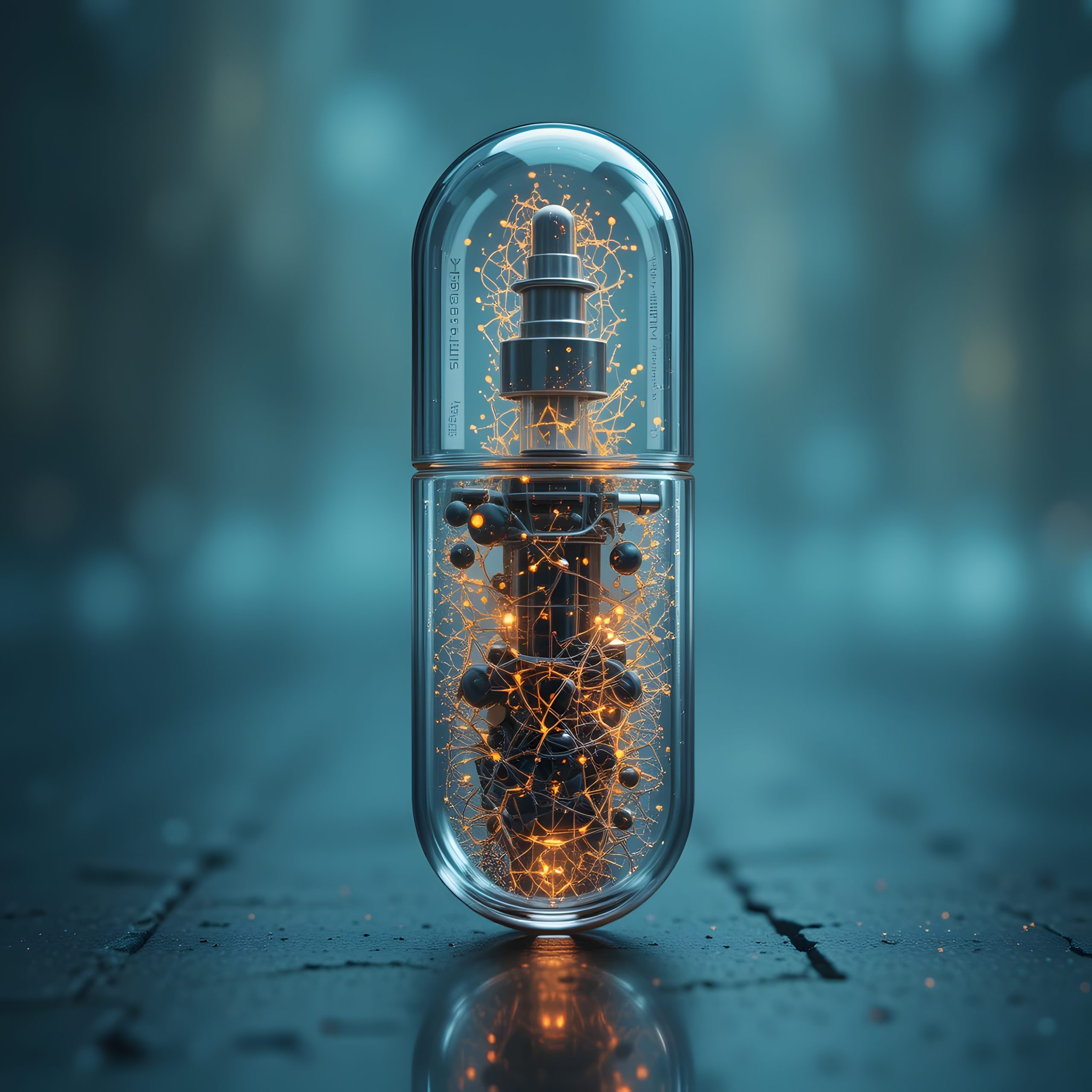

Vitamins, minerals, amino acids, and other micronutrients play a vital role in the healthy functioning of our bodies. However, daily nutrition may not always provide these nutrients in sufficient amounts. This is where dietary supplements come into play.
So, what kind of journey do these products in capsule, tablet, or sachet form take in our bodies?

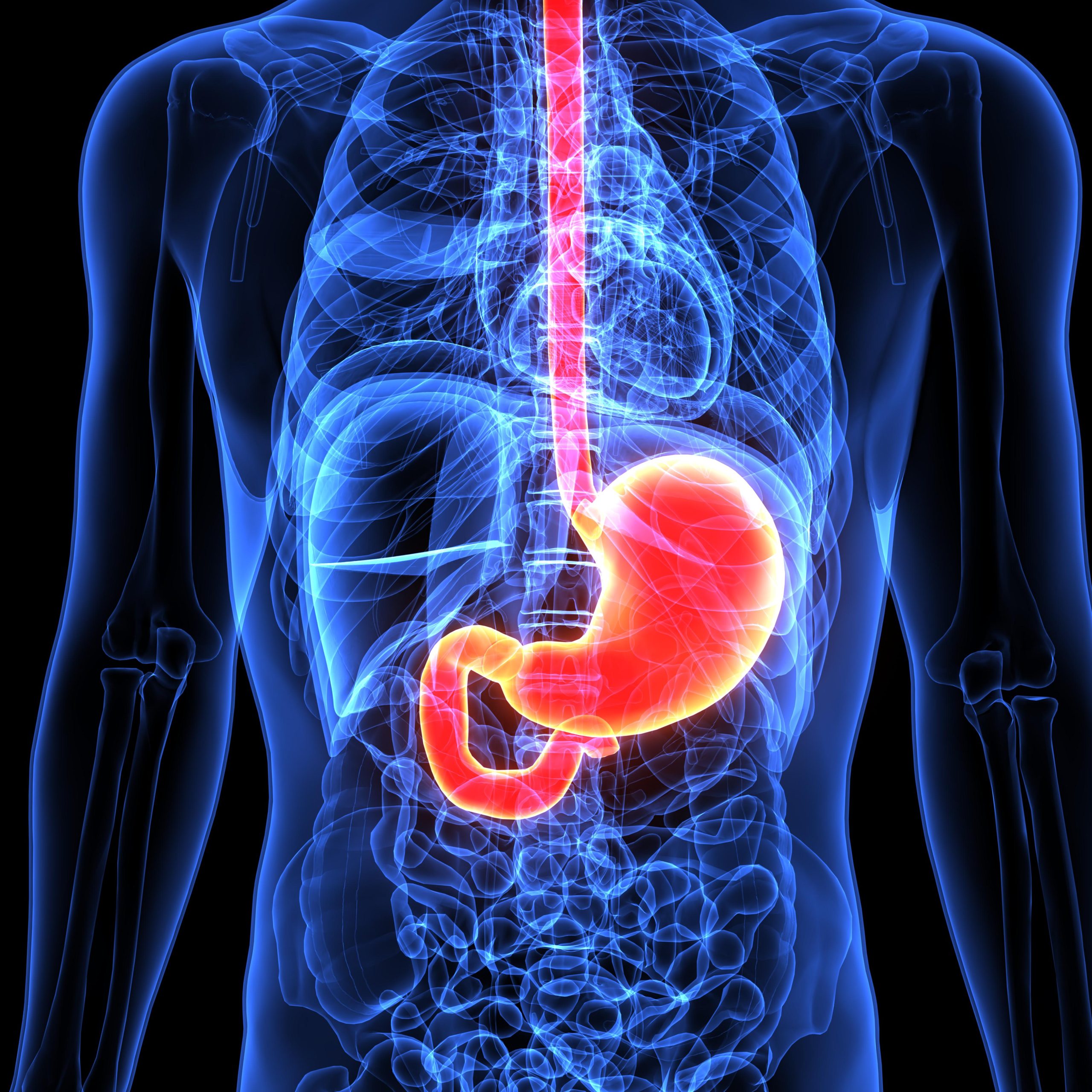
First Stop: The Stomach
Dietary supplements taken orally first reach the stomach. Here, stomach acid (HCl) and digestive enzymes come into play, helping the capsule or tablet dissolve. While some products dissolve quickly in the stomach environment, others are protected from stomach acid thanks to special coatings. This way, the active ingredients are transported to the intestines without being degraded.

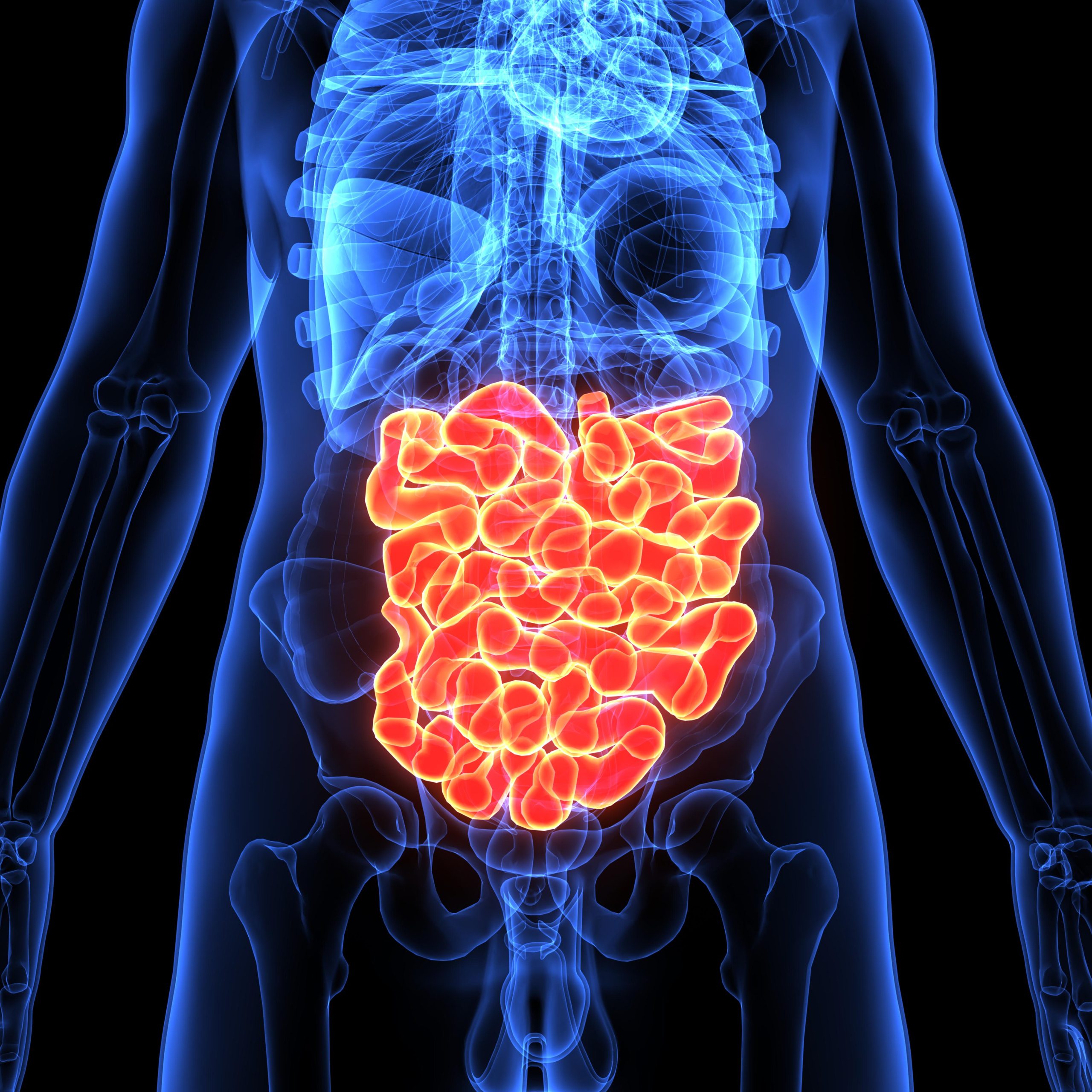
Center of Absorption: The Small Intestine
Most dietary supplements, especially vitamins and minerals, are designed to dissolve in the small intestine. The reason for this is the large absorption surface area of the small intestine.
Thanks to structures called villi and microvilli, the intestinal surface area reaches about 200 square meters. This massive surface area maximizes the transfer of nutrients into the bloodstream.
Controlled-release technology used in some products ensures that the capsule dissolves only at the intestinal pH. This way, the active ingredients are released exactly where they are needed, increasing absorption efficiency.

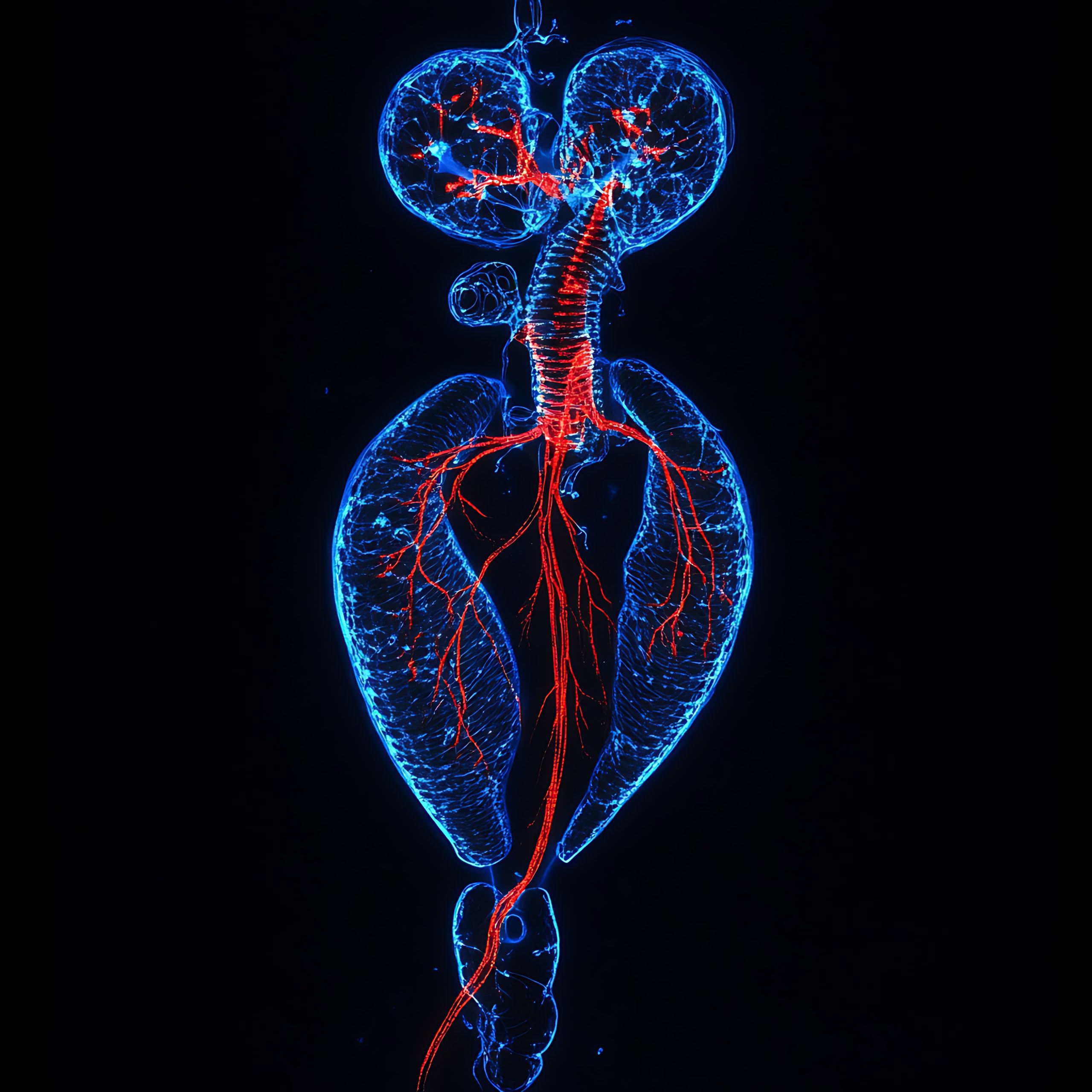
Blood Journey: Transport and Distribution
The nutrients absorbed in the intestine are first transported to the liver via the portal vein. There, they undergo the first metabolism process and then enter systemic circulation. Blood cells carry vitamins and minerals throughout the body. Muscles, organs, and other tissues receive the support they need at the end of this journey.

On Duty in the Cells
Once the nutrients reach the cells, they actively participate in various biochemical processes:
- Vitamin C strengthens the immune system and acts as an antioxidant.
- B vitamins are at the core of energy metabolism.
- Iron is a building block of hemoglobin, which carries oxygen.
Magnesium is essential for the healthy functioning of the muscular and nervous systems.
Each micronutrient plays a critical role in maintaining the body’s essential functions.

Conclusion: A Scientific Journey
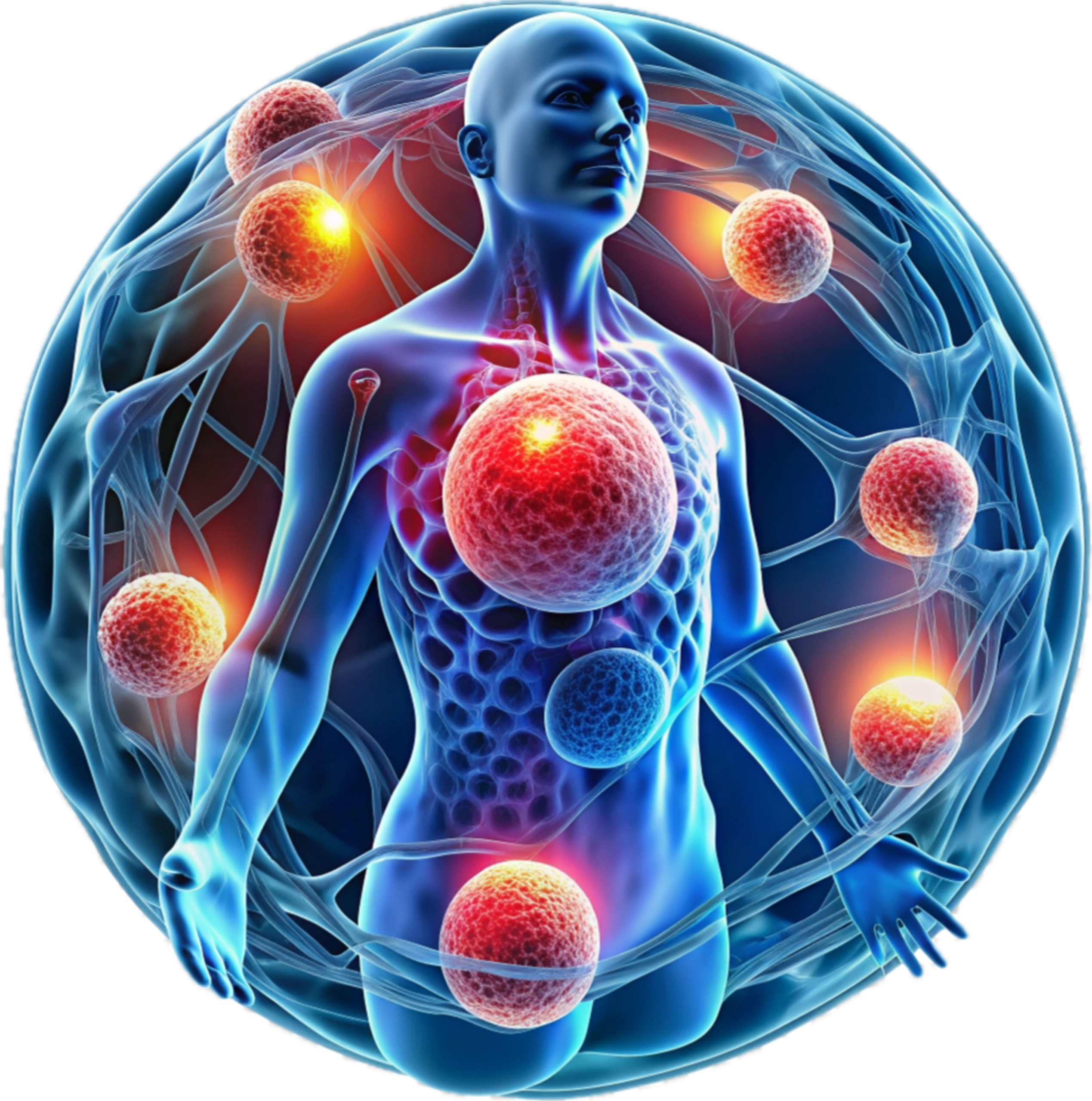
Dietary supplements take a highly organized journey through the stomach, intestines, bloodstream, and cells after being taken orally. This process is not just an additional contribution to nutrition but also a powerful support mechanism for vital activities such as energy production, immune functions, and cellular repair.
In short, dietary supplements are not just “extra products” but scientifically designed, valuable supports that demonstrate their effectiveness at the right point in the body.

Did You Know These?

The surface area of the small intestine is about 200 m² almost the size of a tennis court!

Some capsules pass through the stomach and dissolve in the intestine, releasing the nutrients at exactly the right spot.

Fat-soluble vitamins (A, D, E, K) are better absorbed and stored when taken with fat.

Iron and zinc use the same carrier in the intestine; a balanced formulation is important.

Nutrients reach the mitochondria of the cells and take part in energy production.

Helin
Author