

Although probiotics are often referred to today as “health-friendly bacteria,” their history actually dates back thousands of years. Throughout human history, fermented foods such as yogurt, kefir, sauerkraut, kimchi, miso, and boza have been not only a staple at the table but also a natural part of health support.
The World Health Organization (WHO) and FAO define probiotics as “live microorganisms that, when consumed in adequate amounts, confer a health benefit.” The term itself is quite meaningful; derived from the Greek words ‘pro’ (supporting) and ‘bios’ (life), probiotic literally means “supporting life.”
Probiotics Through History
In the early 1900s, Nobel Prize-winning scientist Ilya Metchnikoff recognized the positive effects of fermented dairy products on gut health and suggested they might be linked to longevity. Although these ideas received little attention at the time, since the 1990s, probiotics have become one of the most prominent research areas in modern medicine. Today, probiotics can be found not only in foods but also in supplements and even in products classified as medicine.
How Probiotics Work
Probiotics benefit our bodies through several key mechanisms:
They balance the gut microbiota. By maintaining the equilibrium between harmful and beneficial bacteria, they support the digestive system.
They strengthen the gut barrier. By supporting the tight junctions between cells, they prevent harmful microbes from entering the bloodstream.
They produce antimicrobial substances. Compounds like short-chain fatty acids help inhibit the growth of pathogens.
They modulate the immune system. While reducing excessive inflammatory responses, they also strengthen the body’s defense against diseases.
Scientifically Prominent Strains
Some of the most researched probiotic strains today include:
Lactobacillus rhamnosus: Shown to be effective in digestive system issues and diarrhea associated with antibiotic use.
Lactobacillus acidophilus: One of the best-known strains, it helps maintain gut health and supports immune functions.
Bifidobacterium bifidum: Especially supports gut development in childhood and plays an important role in immunity.
Bifidobacterium longum: Notable for its effects on both digestive and mental health; it has been studied for stress and anxiety management.
From Gut Health to Mental Well-Being
Recent studies show that probiotics are not limited to the digestive system; they are also closely linked to mental health through the “gut-brain axis.” Probiotics are believed to play a regulatory role in managing depression, anxiety, and stress, and may even enhance mental resilience.
These findings reveal that the trillions of bacteria living in our gut can actually influence our mood, energy, and even the way we think. In short, probiotics may be secret allies not only for our digestive system but also for our mental and emotional well-being.

Tiny Organisms, Big Impact
A glass of kefir or a daily probiotic supplement can have a far broader impact than we might think. While supporting gut health, it can strengthen immunity, promote mental balance, and contribute to overall quality of life.
Of course, probiotics should not be seen as a miraculous cure. Research in the scientific community continues at full speed to determine which strains, at what doses, are most effective for whom. What is certain, however, is that probiotics hold a crucial place in both today’s and the future’s approach to healthy living.
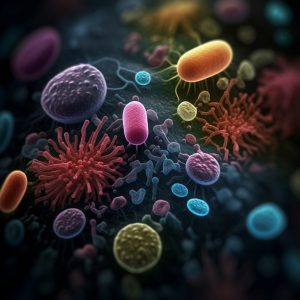

Did you know these facts?
Your gut does more than just digest food; it also affects your mood! Yes, you heard that right—your gut acts like your “second brain.”

The probiotic bacteria in your body weigh nearly 1.5–2 kilograms in total! That means your tiny friends support you far more than you might think.

Thanks to probiotics, your gut can produce up to 90% of your happiness hormone, serotonin. Feeling good might sometimes be just a capsule away.

Want to take your health a step further? The documentary “Take Control of Your Health: Healthy Secrets in Your Gut” reveals the impact of our gut on overall health and shows what can be achieved through small but effective changes. A must-watch for anyone looking to invest in themselves and their body!


Helin
Author